Comprehensive Business Waste Removal Services in Haringey
Introduction to Business Waste Removal
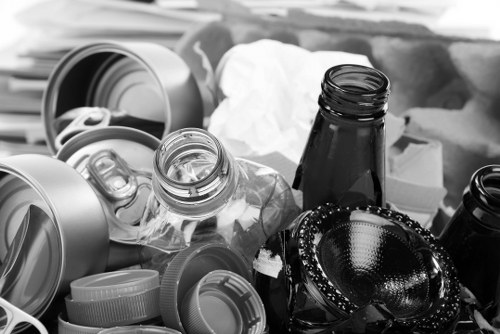
In the bustling borough of Haringey, efficient business waste removal is essential for maintaining a clean and sustainable environment. Whether you're running a small startup or a large corporation, managing waste effectively not only complies with local regulations but also promotes a positive image for your business.
Business waste can range from office paper and electronic waste to larger items like furniture and machinery. Proper disposal and recycling of these materials help reduce the environmental footprint and ensure that your operations run smoothly without unnecessary clutter.
Choosing the right waste removal service in Haringey is crucial. It ensures that waste is handled responsibly, safely, and in accordance with the latest environmental standards. This article explores the various aspects of business waste removal in Haringey, guiding you to make informed decisions for your business.
Types of Business Waste
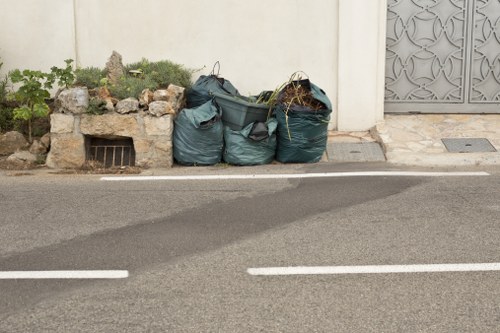
Understanding the different types of business waste is the first step in effective waste management. Common categories include:
- General Waste: Non-recyclable materials such as food scraps, contaminated paper, and packaging.
- Recyclable Waste: Items like paper, cardboard, glass, metals, and certain plastics that can be processed and reused.
- Electronic Waste: Discarded electronics like computers, printers, and phones, which require specialized handling.
- Hazardous Waste: Materials that are dangerous or potentially harmful, including batteries, chemicals, and medical waste.
- Bulky Waste: Large items like old furniture, office equipment, and machinery that need special collection services.
Categorizing waste helps in selecting the appropriate disposal methods and ensures compliance with environmental regulations. It also aids in implementing recycling programs that can significantly reduce your business’s waste output.
Proper classification of waste is not only a legal requirement but also demonstrates your company's commitment to environmental stewardship and corporate social responsibility.
Benefits of Professional Waste Removal Services

Engaging a professional waste removal service in Haringey offers numerous advantages for businesses:
- Compliance: Ensures that your business adheres to local and national waste disposal regulations, avoiding potential fines and legal issues.
- Efficiency: Professional services handle waste collection promptly and efficiently, minimizing disruptions to your business operations.
- Environmental Impact: Experts implement sustainable practices such as recycling and proper disposal, reducing your company’s carbon footprint.
- Cost-Effective: Outsourcing waste management can be more economical than managing it in-house, saving on labor and equipment costs.
- Health and Safety: Proper waste handling reduces the risk of workplace accidents and health hazards, ensuring a safe environment for employees.
By leveraging the expertise of waste removal professionals, businesses can focus on their core activities while ensuring that waste is managed responsibly and efficiently.
Moreover, a well-maintained waste management system can enhance your business’s reputation, showcasing your dedication to sustainability and responsible practices.
Choosing the Right Waste Removal Service
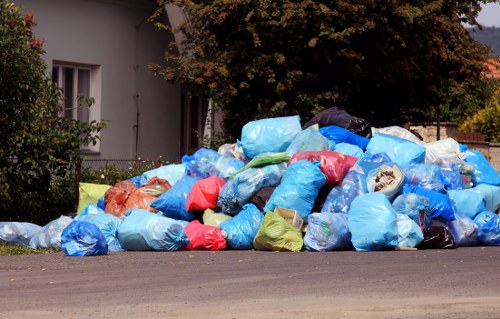
Selecting the appropriate business waste removal service in Haringey involves several key considerations:
- Service Range: Ensure the provider covers all types of waste your business generates, including specialized items like electronics or hazardous materials.
- Recycling Programs: Choose a service that prioritizes recycling and sustainable disposal methods to minimize environmental impact.
- Reliability: Opt for companies with a proven track record of punctuality and consistent service quality.
- Compliance: Verify that the service adheres to all relevant waste disposal regulations and holds necessary certifications.
- Cost: Compare pricing structures to find a service that offers value without compromising on quality.
Additionally, consider customer reviews and testimonials to gauge the satisfaction levels of other businesses that have utilized their services. Personal recommendations can also be invaluable in making an informed decision.
Engaging with a local service provider familiar with Haringey’s specific waste management requirements can further streamline the process and ensure compliance with regional guidelines.
Implementing an Effective Waste Management Plan

An effective waste management plan is essential for optimizing your business’s waste removal process. Here are steps to create one:
- Assess Waste Generation: Identify the types and quantities of waste your business produces regularly.
- Set Objectives: Determine your waste reduction goals, such as increasing recycling rates or minimizing landfill disposal.
- Develop Strategies: Implement practices like segregating waste, encouraging paperless operations, and partnering with recycling facilities.
- Choose the Right Service: Select a waste removal provider that aligns with your objectives and supports your strategies.
- Monitor and Review: Regularly assess the effectiveness of your waste management plan and make adjustments as needed.
Continuous evaluation and adaptation of your waste management practices ensure long-term sustainability and efficiency. Employee training and engagement are also crucial components, fostering a culture of responsibility and environmental consciousness within your organization.
By establishing clear guidelines and procedures, your business can significantly reduce waste-related costs and contribute positively to the community and environment.
Environmental and Economic Impact
Business waste removal has profound environmental and economic implications. Proper waste management reduces pollution, conserves natural resources, and supports the recycling industry. Economically, it can lower disposal costs, create opportunities for recycling revenue, and enhance your business’s sustainability credentials, potentially attracting eco-conscious clients and partners.
Moreover, businesses that prioritize sustainable waste practices often experience improved operational efficiencies and reduced material costs. Implementing effective waste management strategies can lead to significant savings and contribute to a circular economy where resources are reused and recycled rather than discarded.
Investing in green waste solutions also aligns with global efforts to combat climate change and promotes corporate responsibility, reinforcing your business’s commitment to positive social and environmental outcomes.
Technology and Innovation in Waste Removal
Advancements in technology are transforming the landscape of waste removal services. Innovative solutions such as automated sorting systems, waste-to-energy technologies, and digital tracking platforms enhance the efficiency and effectiveness of waste management.
These technologies enable businesses to monitor their waste generation in real-time, optimize collection schedules, and ensure compliance with environmental standards. Additionally, automation reduces manual labor and errors, streamlining the entire waste removal process.
Embracing these technological innovations can give your business a competitive edge, ensuring that your waste management practices are both cutting-edge and sustainable.
Regulatory Framework in Haringey
Haringey operates under specific regulations governing business waste removal. Compliance with these laws is mandatory to avoid penalties and ensure environmentally responsible practices. Key regulations include:
- Waste Management Regulations: Guidelines on how different types of waste should be handled, stored, and disposed of.
- Recycling Targets: Requirements for businesses to achieve certain recycling rates and reduce landfill dependency.
- Hazardous Waste Disposal: Strict protocols for managing and disposing of hazardous materials safely.
- Electronic Waste Regulations: Specific measures for the disposal and recycling of electronic devices.
- Reporting Obligations: Mandatory reporting of waste generation and disposal practices to local authorities.
Staying informed about these regulations and integrating them into your waste management plan is crucial for legal compliance and fostering a responsible business environment.
Collaborating with your waste removal service provider to ensure adherence to these standards can further streamline compliance and enhance the overall effectiveness of your waste management strategies.
Case Studies: Successful Waste Removal in Haringey
Numerous businesses in Haringey have successfully implemented effective waste removal strategies, reaping both environmental and economic benefits. For instance, a local tech company partnered with a reputable waste removal service to manage their electronic waste, resulting in a significant reduction in their carbon footprint and disposal costs.
Another example is a retail store that introduced comprehensive recycling programs with the help of their waste management provider, increasing their recycling rates by 40% and lowering their overall waste disposal expenses.
These case studies highlight the tangible advantages of professional business waste removal services, demonstrating how strategic waste management can drive sustainability and profitability.
Future Trends in Waste Management
The future of business waste removal in Haringey looks promising with the integration of sustainable practices and technological advancements. Anticipated trends include:
- Circular Economy: Emphasizing the reuse and recycling of materials to create a closed-loop system, minimizing waste generation.
- Smart Waste Solutions: Utilizing IoT devices and data analytics to optimize waste collection and processing.
- Green Certifications: Increasing demand for businesses to obtain certifications that validate their sustainable waste management practices.
- Advanced Recycling Technologies: Development of new methods to recycle complex materials effectively.
- Community Engagement: Greater involvement of businesses in local sustainability initiatives and waste reduction programs.
Staying ahead of these trends can enable businesses in Haringey to enhance their waste management practices, ensuring long-term sustainability and compliance with evolving environmental standards.
Embracing these future-oriented strategies will not only benefit the environment but also position your business as a leader in sustainability within the community.
Conclusion
Effective business waste removal in Haringey is a critical component of sustainable business operations. By understanding the types of waste, leveraging professional services, and implementing strategic waste management plans, businesses can achieve compliance, reduce environmental impact, and realize economic benefits.
Investing in reliable waste removal services ensures that your business remains aligned with environmental regulations and sustainability goals. As the waste management landscape evolves, staying informed and adaptable will be key to maintaining efficient and responsible waste practices.
Contact us today to learn more about how our expert waste removal services can support your business in Haringey, ensuring a cleaner and more sustainable future.